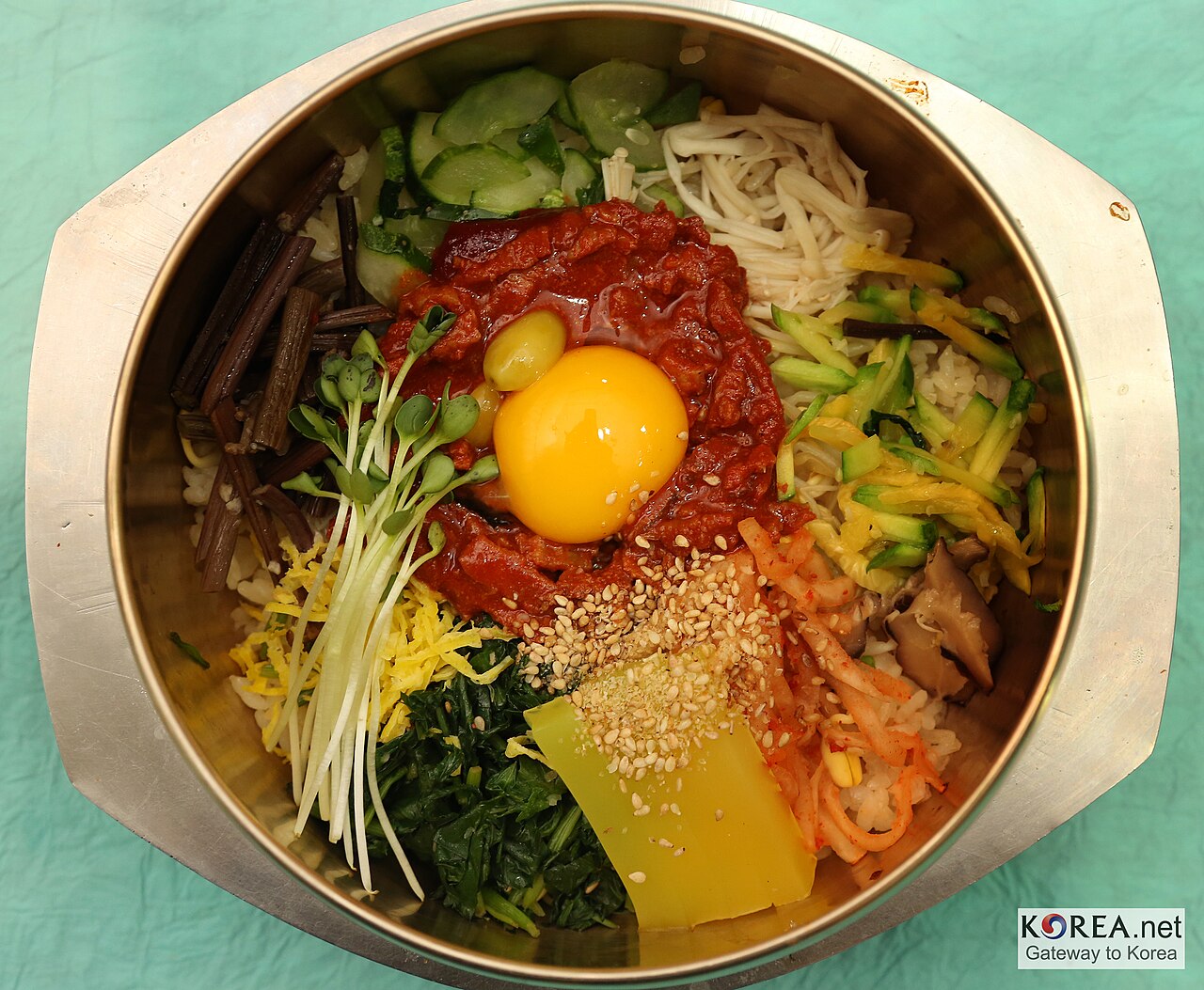
As someone who has spent years reviewing Korean restaurants — from the legendary bibimbap houses of Jeonju to tiny lunch counters in Seoul — I can tell you that the best bibimbap isn't about fancy ingredients. It's about technique, balance, and care. In this guide, I'll walk you through how to make a restaurant-quality bowl at home, plus the insider tips I've picked up from Korean chefs along the way.
Why Bibimbap Is Worth Mastering
"Bibim" means "mixing" and "bap" means "rice." At its heart, bibimbap is warm rice topped with seasoned vegetables (namul), meat, an egg, and a spicy-sweet gochujang sauce, all mixed together right before eating. Traditionally the toppings reflect obangsaek, the five Korean colors — white, yellow, green, red, and black — which makes the dish as balanced in nutrition as it is beautiful.
Ingredients (Serves 2)
For the bowl
- 2 servings freshly cooked short-grain rice
- 2 eggs
- Toasted sesame seeds and sesame oil, to finish
Vegetables
- 1 medium carrot, julienned
- 150 g spinach
- 150 g soybean sprouts
- 1/2 zucchini, julienned
- 4–5 shiitake mushrooms, thinly sliced
- Optional: kimchi, lettuce, roasted seaweed strips
Beef
- 150 g ground beef or thinly sliced ribeye
- 1 tbsp soy sauce, 1 tsp sugar, 1 tsp minced garlic, 1 tsp sesame oil, pinch of black pepper
Gochujang sauce
- 2 tbsp gochujang
- 1 tbsp sesame oil
- 1 tsp sugar or honey
- 1 tsp rice vinegar
- 1 tsp minced garlic
- 1 tsp sesame seeds + 1 tbsp water
Step-by-Step Instructions
Step 1. Season the beef
Combine the beef with soy sauce, sugar, garlic, sesame oil, and pepper. Let it marinate for 15–20 minutes while you prep everything else.
Step 2. Prepare the blanched namul
Spinach: Blanch for 30 seconds, shock in cold water, then squeeze out as much water as you can. Toss with a pinch of salt, a little garlic, and sesame oil.
Soybean sprouts: Boil covered for about 5 minutes. Keep the lid on the whole time — opening it midway can leave a raw, beany smell. Drain and season the same way.
Step 3. Stir-fry the other vegetables separately
Sauté the carrot, zucchini, and mushrooms one at a time in a lightly oiled pan with a pinch of salt. This is what restaurants do: each vegetable keeps its own color, texture, and flavor instead of blending into one.
Step 4. Cook the beef
Stir-fry the marinated beef over medium-high heat for 3–4 minutes until it's cooked through and lightly caramelized.
Step 5. Mix the sauce
Whisk all the sauce ingredients until glossy and smooth. Taste and adjust — a little more honey for sweetness, a little more vinegar for brightness.
Step 6. Fry the eggs
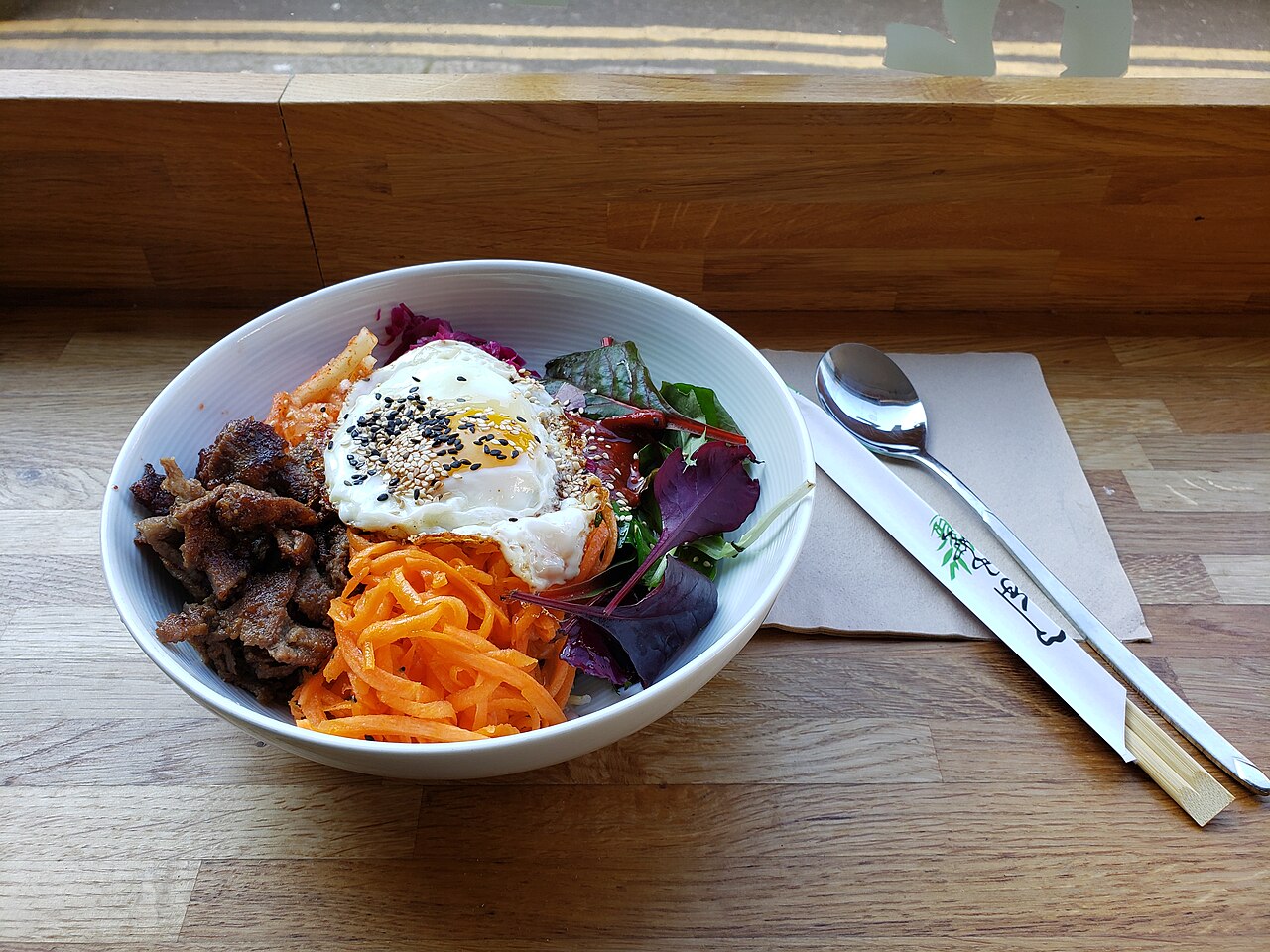
Fry the eggs sunny-side up with crispy edges and a runny yolk. The yolk becomes a rich, silky sauce once everything is mixed.
Step 7. Assemble
Add warm rice to each bowl and arrange the toppings in neat sections around the edge, alternating colors. Place the egg in the center, add a dollop of sauce, sprinkle sesame seeds, and finish with a drizzle of sesame oil.
Food Expert Tips for Restaurant-Level Bibimbap
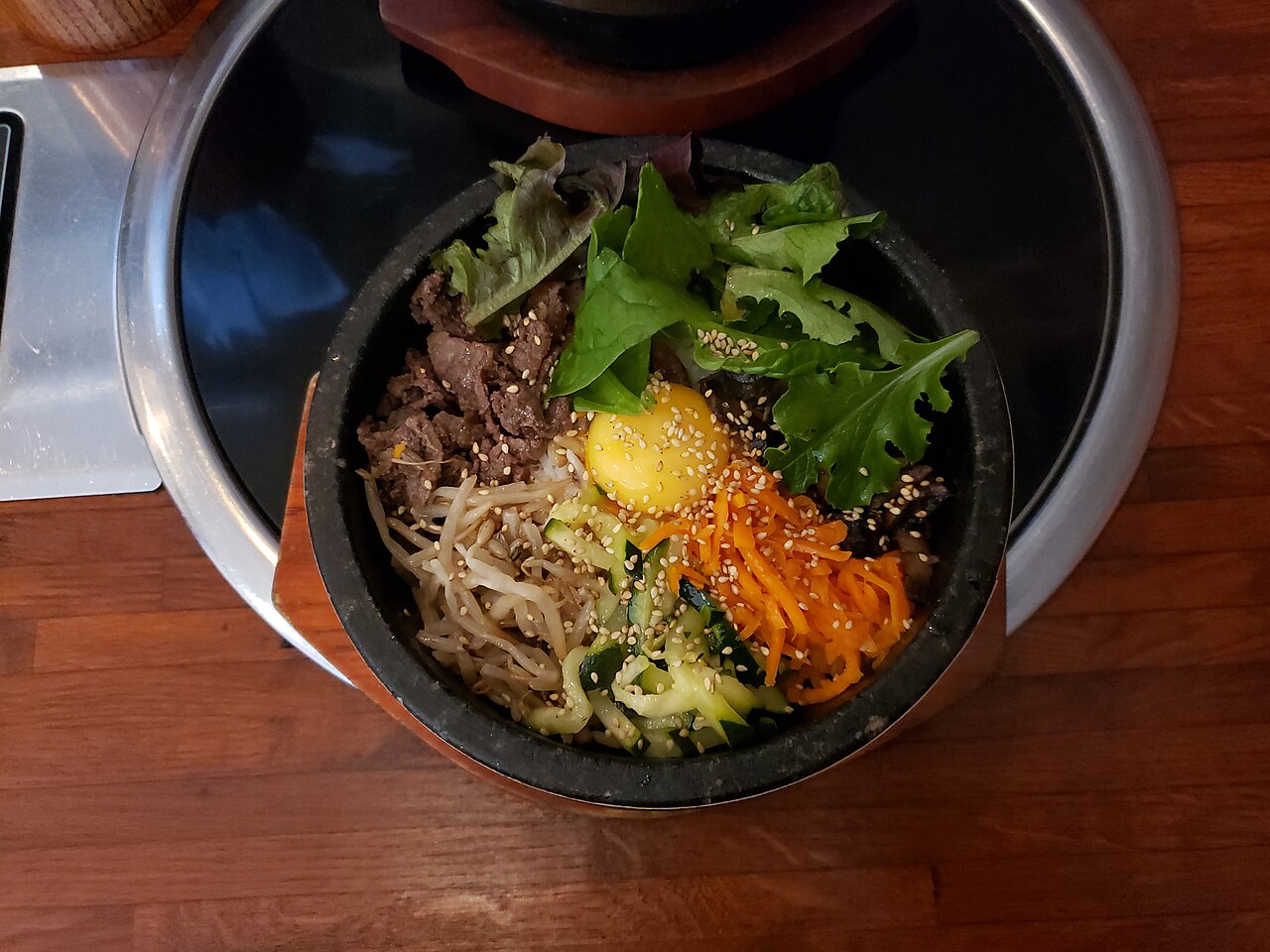
- Try the stone-pot version (dolsot bibimbap): Heat a stone or cast-iron bowl, coat it with sesame oil, add rice and toppings, and let it sizzle for 3–5 minutes. The crispy golden rice at the bottom, called nurungji, is what regulars fight over.
- Cook your rice slightly firm: Using a bit less water keeps the grains distinct, so the bowl mixes well instead of turning mushy.
- Season every component: Each topping should be delicious by itself. The sauce brings them together — it shouldn't have to carry the dish.
- Serve the sauce on the side: Good restaurants let guests control the heat. Add a spoonful at a time while mixing.
- Mix with a spoon, not chopsticks: Fold everything together thoroughly so every grain is coated.
- Make it yours: Swap beef for tofu or mushrooms for a vegetarian bowl, or add raw beef (yukhoe) for the classic Jeonju style if you have quality meat.
Final Thoughts
Bibimbap is one of those dishes that rewards patience: a little care with each topping turns simple ingredients into something special. It's also a fantastic way to use up leftover vegetables. Master the basics here, then experiment and build your own signature bowl. Let me know in the comments how yours turned out!
Photo credits (Wikimedia Commons):
Photo 1: Korea.net / Korean Culture and Information Service, CC BY-SA 2.0
Photo 2: Andy Li, CC0
Photo 3: Andy Li, CC0