As someone who has spent years eating my way through Korea's best "baekban" (set-meal) restaurants, pork BBQ joints, and late-night kitchens, I can tell you one thing: you can judge a Korean restaurant by its Jeyuk Bokkeum (제육볶음). This humble spicy stir-fried pork is on almost every menu, and that is exactly why the difference between an ordinary plate and an unforgettable one is so obvious. Today I am sharing what the top restaurants do differently, and how you can recreate it at home.
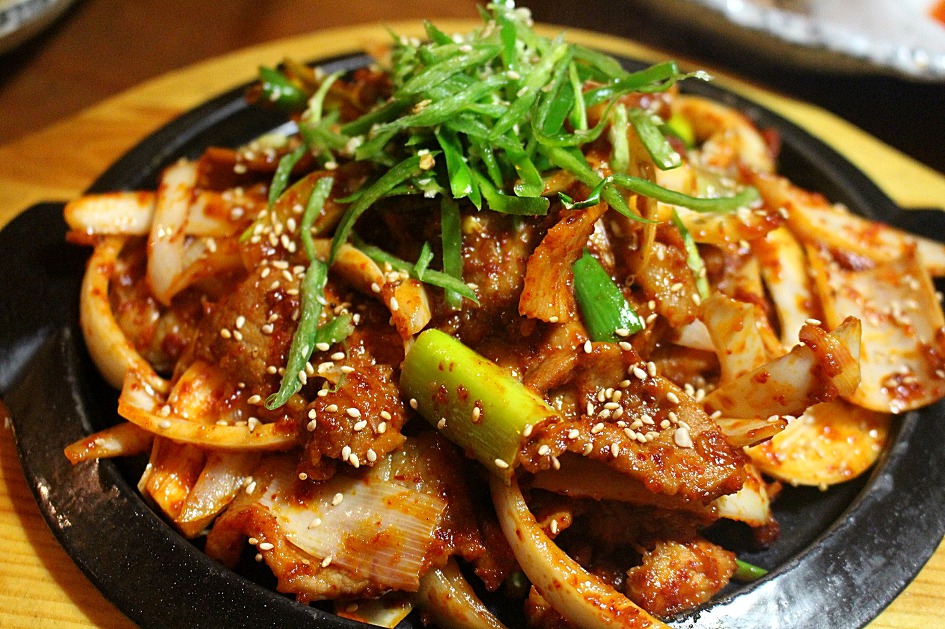
Photo: Jeyuk Bokkeum (대경라이프, CC BY-SA 4.0, via Wikimedia Commons)
■ What Makes a Restaurant-Level Jeyuk Bokkeum?
After tasting hundreds of plates, I score Jeyuk Bokkeum on four things:
1. Fire (bul-mat): A light, smoky char on the edges of the pork. This is the number one sign of a skilled cook.
2. Texture: The pork should be tender and juicy, never dry or chewy.
3. Sauce balance: Spicy first, then sweet, then a savory garlic finish. It should coat the meat, not drown it.
4. Vegetables: Onions and cabbage should still have a little crunch. Soggy vegetables mean the pan was overcrowded.
■ Ingredients (serves 2-3)
- 500g pork shoulder (ap-dari-sal), thinly sliced. Most good restaurants use this cut for its balance of lean meat and fat.
- 1 onion, 1/4 small cabbage, 1 green onion, 2 Korean green chili peppers
- 2 tbsp cooking oil, sesame seeds
■ The Restaurant-Style Sauce
- 2 tbsp gochujang (Korean red pepper paste)
- 2 tbsp gochugaru (Korean red pepper flakes)
- 2 tbsp soy sauce
- 1 tbsp sugar + 1 tbsp corn syrup
- 1.5 tbsp minced garlic, 1/2 tsp minced ginger
- 1 tbsp mirin, 1 tbsp sesame oil, black pepper
- 2 tbsp grated Asian pear or onion (the "secret" many kitchens use for tenderness)
■ How the Pros Cook It
1. Sugar first: Toss the sliced pork with the sugar and let it sit for 10 minutes. Sugar tenderizes the meat before the salty sauce goes in.
2. Marinate: Add the remaining sauce ingredients and massage into the pork. Rest at least 30 minutes; busy restaurants prep this the night before.
3. Scallion oil: Heat the oil and fry half of the green onion until fragrant. This is the flavor base.
4. Screaming-hot pan: Add the pork in a single layer and leave it alone for 30-40 seconds to sear. Then stir. Cook in two batches if your pan is small.
5. Vegetables late: Add onion, cabbage, chili, and the rest of the green onion when the pork is 80% cooked. Stir-fry for only 2 minutes.
6. The finishing touch: Push the meat to one side, splash 1 tsp of soy sauce onto the hot empty spot, let it sizzle, then toss everything together. Turn off the heat and finish with sesame oil and seeds.
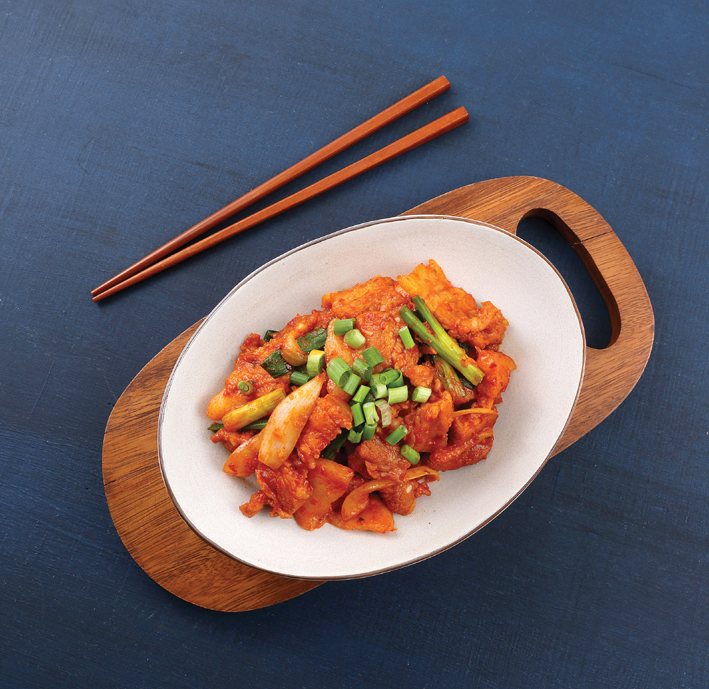
Photo: Jeyuk Bokkeum, Korean food (Korea Agro-Fisheries & Food Trade Corporation, KOGL Type 1, via Wikimedia Commons)
■ Common Mistakes I See (Even in Restaurants)
- Too much sugar: If it tastes like candy, the cook is hiding low-quality meat. Balance is everything.
- Low heat: Without high heat, the pork stews in its own juices and turns grey and watery.
- Lean cuts only: Pork loin or tenderloin dries out fast. Shoulder or neck is the way to go.
- Watery sauce: A great Jeyuk Bokkeum sauce clings to the meat. If there is a puddle on the plate, it was overcrowded or undercooked.
■ How the Best Restaurants Serve It
- A bowl of freshly cooked rice (non-negotiable)
- Fresh lettuce and perilla leaves for ssam (wraps) with ssamjang, garlic, and green chili
- A mild soup like doenjang jjigae or bean sprout soup to cool your palate
- Some places finish by frying leftover sauce with rice, seaweed, and sesame oil right in the pan. Always say yes to this.
■ The Critic's Verdict
Jeyuk Bokkeum is proof that simple food is the hardest to perfect. Get the cut right, respect the high heat, and finish with that sizzling soy sauce, and you will have a plate that rivals the best restaurants in Seoul. Make it once this way and you will never go back.