Jeyuk Bokkeum (제육볶음) is the ultimate Korean comfort food: tender slices of pork coated in a sweet, spicy, garlicky gochujang sauce and stir-fried over high heat until slightly smoky. Koreans call it a "rice thief" because one plate makes rice disappear in no time. Here is my complete guide to making the best Jeyuk Bokkeum at home.
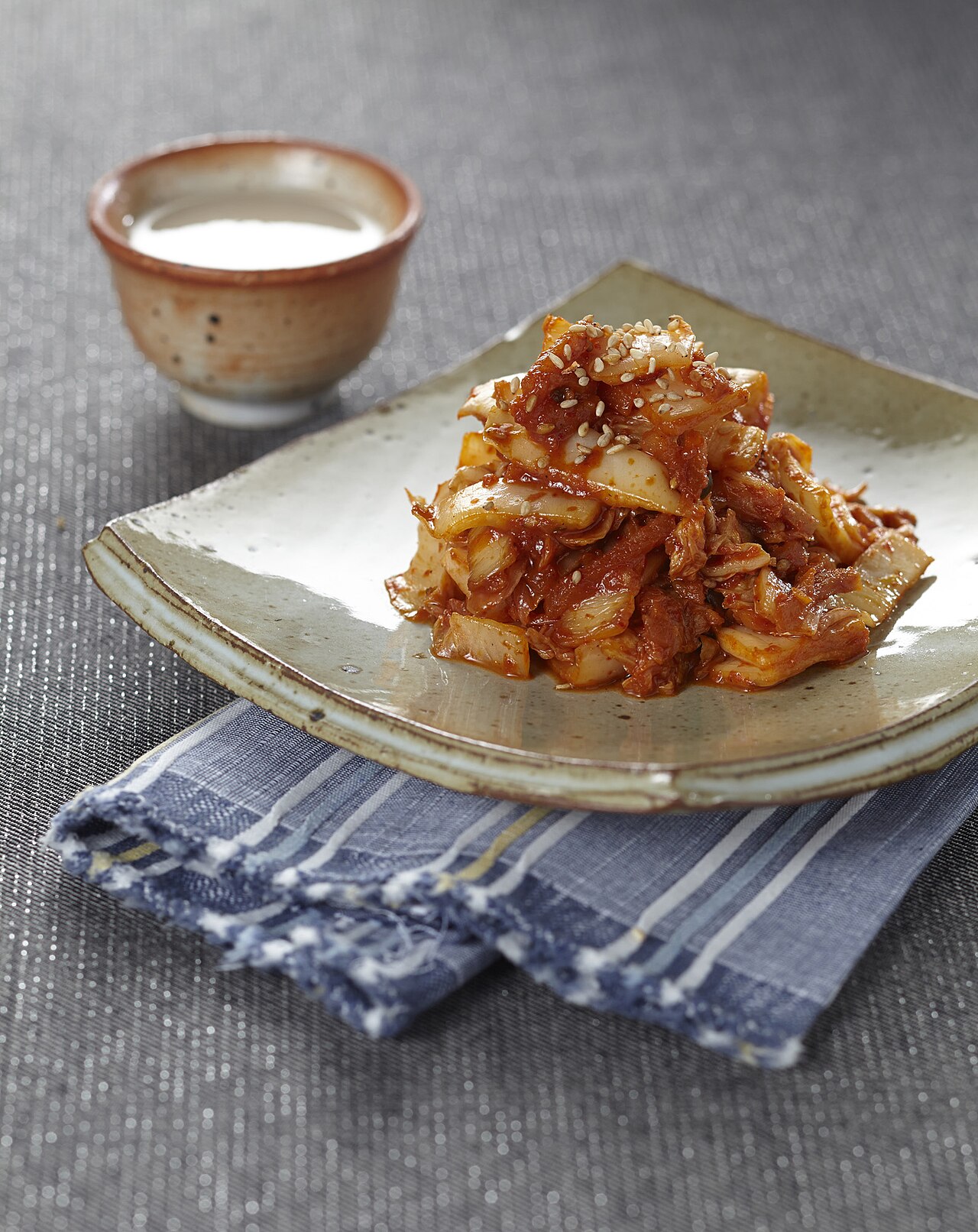
Photo: Jeyuk Bokkeum (국립국어원, CC BY-SA 2.0 KR, via Wikimedia Commons)
■ Ingredients (serves 2-3)
- 500g pork shoulder or pork neck, thinly sliced (thin pork belly also works)
- 1 onion, 1 green onion, 2 Korean green chili peppers, a little carrot
- 2 tbsp cooking oil
- Toasted sesame seeds for garnish
■ The Golden Ratio Sauce
- 2 tbsp gochujang (Korean red pepper paste)
- 2 tbsp gochugaru (Korean red pepper flakes)
- 2 tbsp soy sauce
- 1 tbsp sugar + 1 tbsp corn syrup (or honey)
- 1 tbsp minced garlic, a little minced ginger
- 1 tbsp cooking wine (mirin), 1 tbsp sesame oil, a pinch of black pepper
- (Optional) 2 tbsp grated apple or Asian pear for tenderness and natural sweetness
■ Step-by-Step Instructions
1. Prep the pork: Season the pork with cooking wine and black pepper, and rest for 10 minutes to remove any gamey smell.
2. Marinate: Coat the pork evenly with the sauce and marinate for at least 30 minutes, or overnight in the fridge for the best flavor.
3. Make scallion oil: Heat the oil in a pan and fry half of the chopped green onion until fragrant.
4. Stir-fry on high heat: Add the pork and cook over high heat. Don't stir too much at first. A little caramelization on the bottom gives that smoky flavor.
5. Add vegetables: When the pork is almost done, add the onion, carrot, chili, and remaining green onion. Stir-fry for just 2-3 minutes to keep them crisp.
6. Finish: Turn off the heat, drizzle with sesame oil, and sprinkle with sesame seeds.
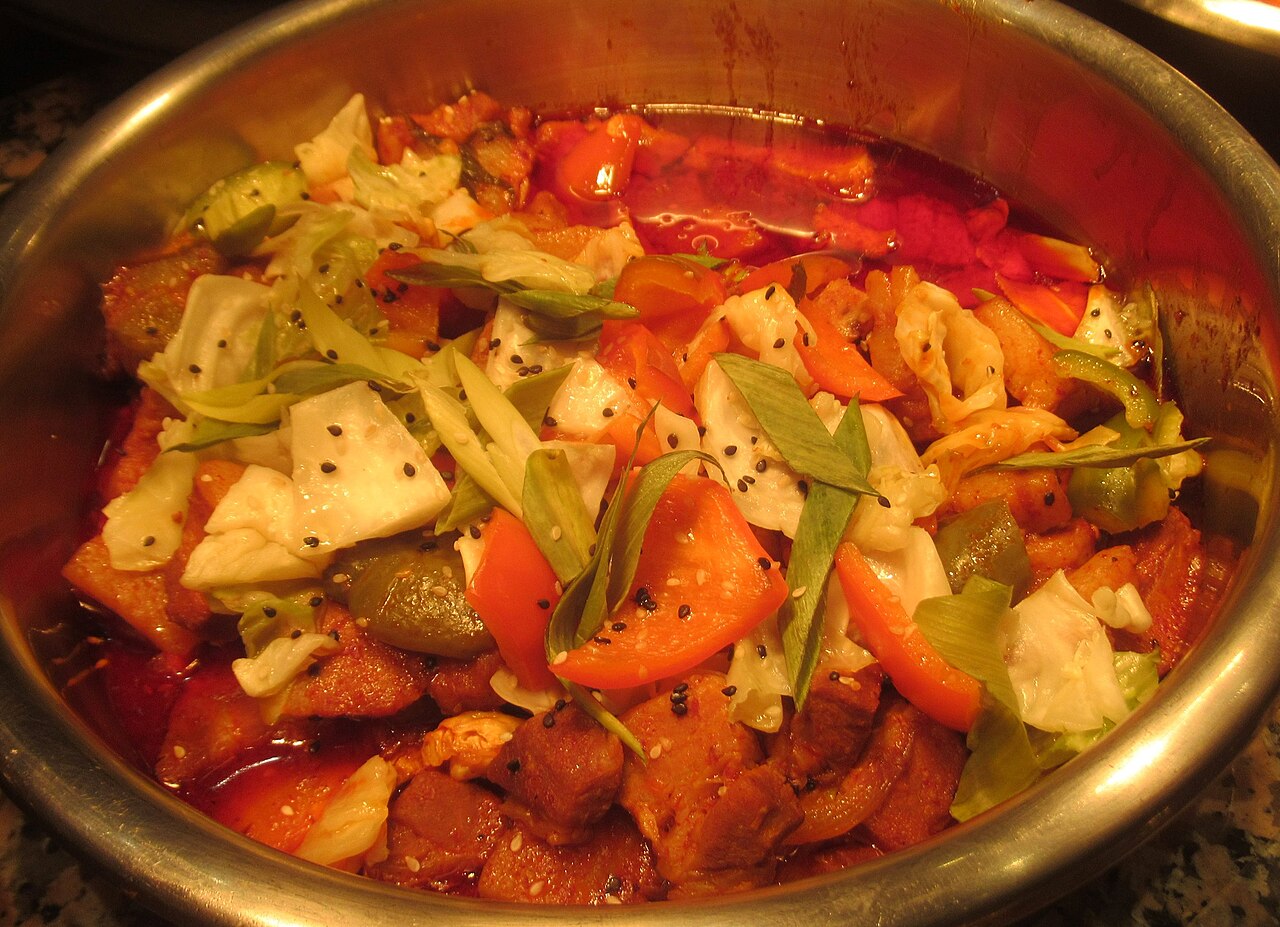
Photo: Spicy pork bulgogi (P1898, CC BY 4.0, via Wikimedia Commons)
■ 5 Secrets to the Best Jeyuk Bokkeum
1. Use both gochujang and gochugaru: Gochujang alone can taste heavy. Pepper flakes add a cleaner, sharper heat.
2. Sugar first: Toss the pork with sugar before the rest of the sauce. It makes the meat much more tender.
3. High heat, no overcrowding: Too much meat at once releases water and you end up braising. Cook in batches if needed.
4. The soy sauce trick: At the end, pour 1 tsp of soy sauce around the hot edge of the pan and let it sizzle for a restaurant-style smoky aroma.
5. Pick a cut with some fat: Pork shoulder or neck stays juicy and rich.
■ What to Serve With It
- Freshly cooked white rice with lettuce and perilla leaf wraps
- Ssamjang (Korean dipping paste), raw garlic, and green peppers
- A light bean sprout soup or doenjang jjigae (soybean paste stew)
- Leftover sauce? Add rice, sesame oil, and seaweed flakes for amazing fried rice!
■ Final Thoughts
Jeyuk Bokkeum is easy to make, but the sauce ratio and heat control make all the difference. Remember this golden ratio sauce and these five secrets, and you can enjoy restaurant-quality Jeyuk Bokkeum right in your own kitchen. Try it for dinner tonight!